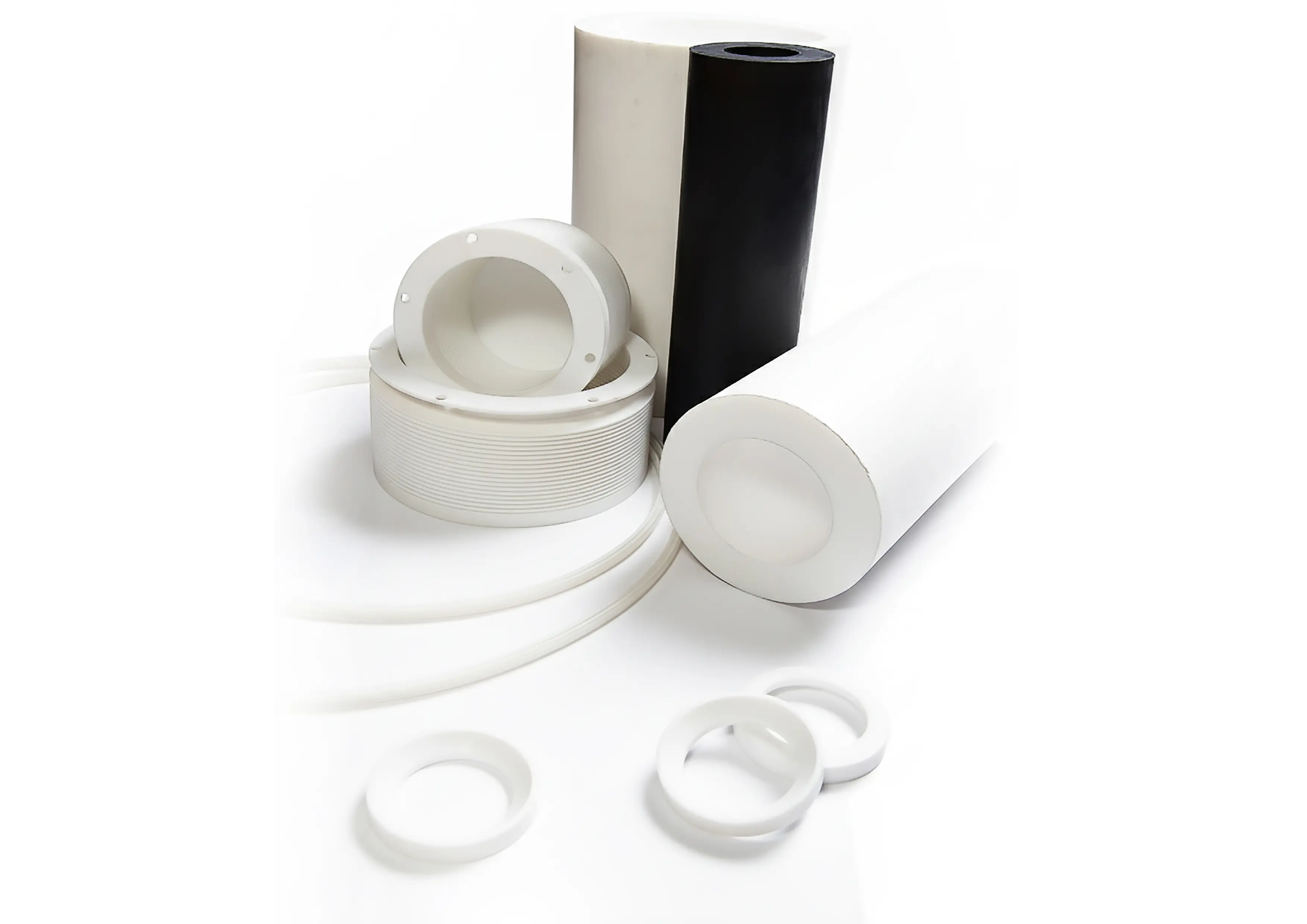
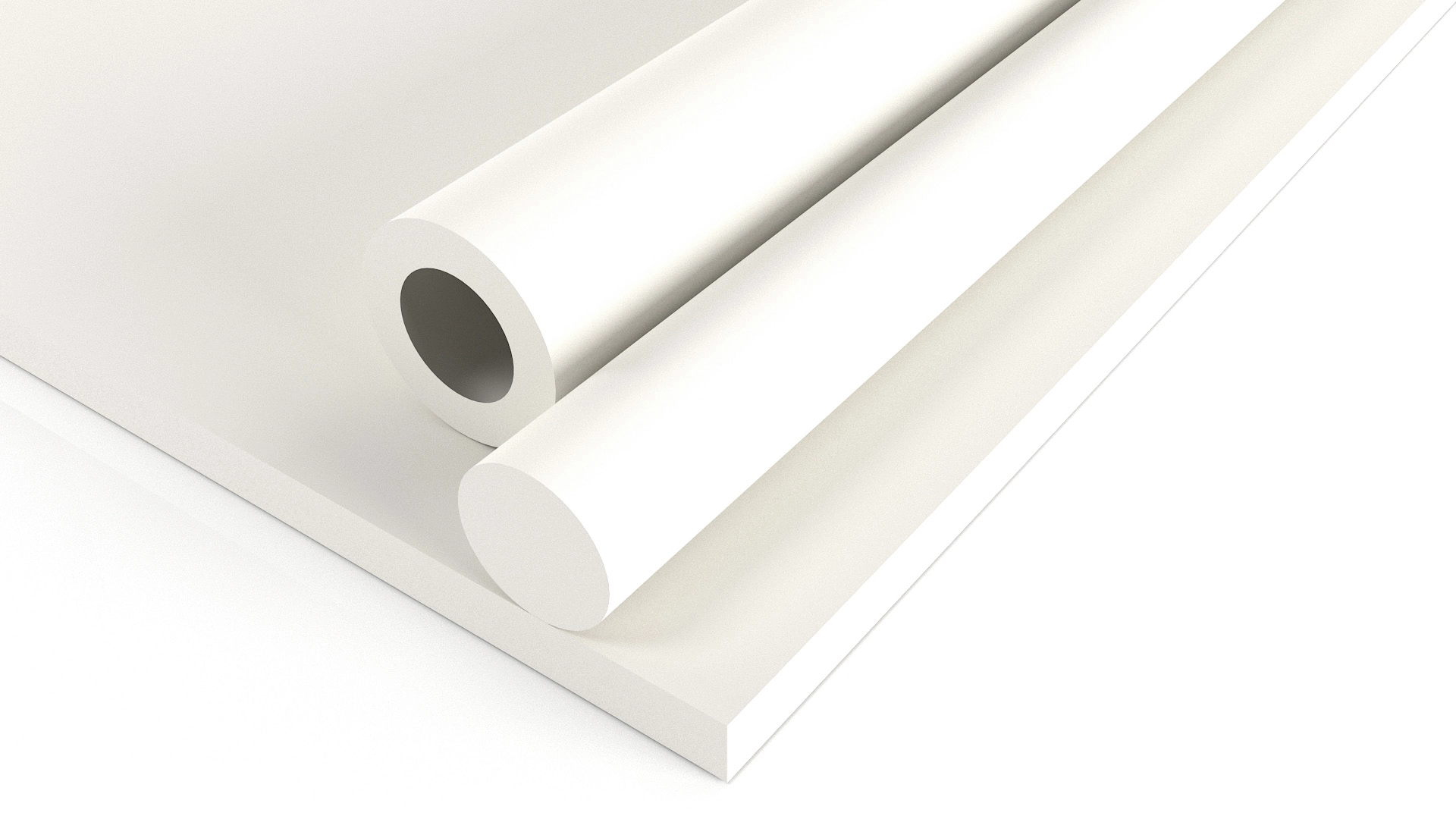
Polytetrafluoroethylene (PTFE) is a synthetic fluoropolymer
produced by the polymerization of tetrafluoroethylene monomers. It is well known
for its hydrophobic structure, extremely low coefficient of friction and
non-stick surface properties. Combined with outstanding chemical and corrosion
resistance and the ability to operate across a wide temperature range, PTFE is a
highly versatile engineering material used in many industrial applications.
Unfilled PTFE offers key advantages such as low friction, excellent chemical
resistance and a wide service temperature range. However, in applications
involving high loads, wear or dimensional stability requirements, the mechanical
performance of virgin PTFE may be limited. For this reason, PTFE materials
modified with specific additives are used to enhance performance in demanding
applications.
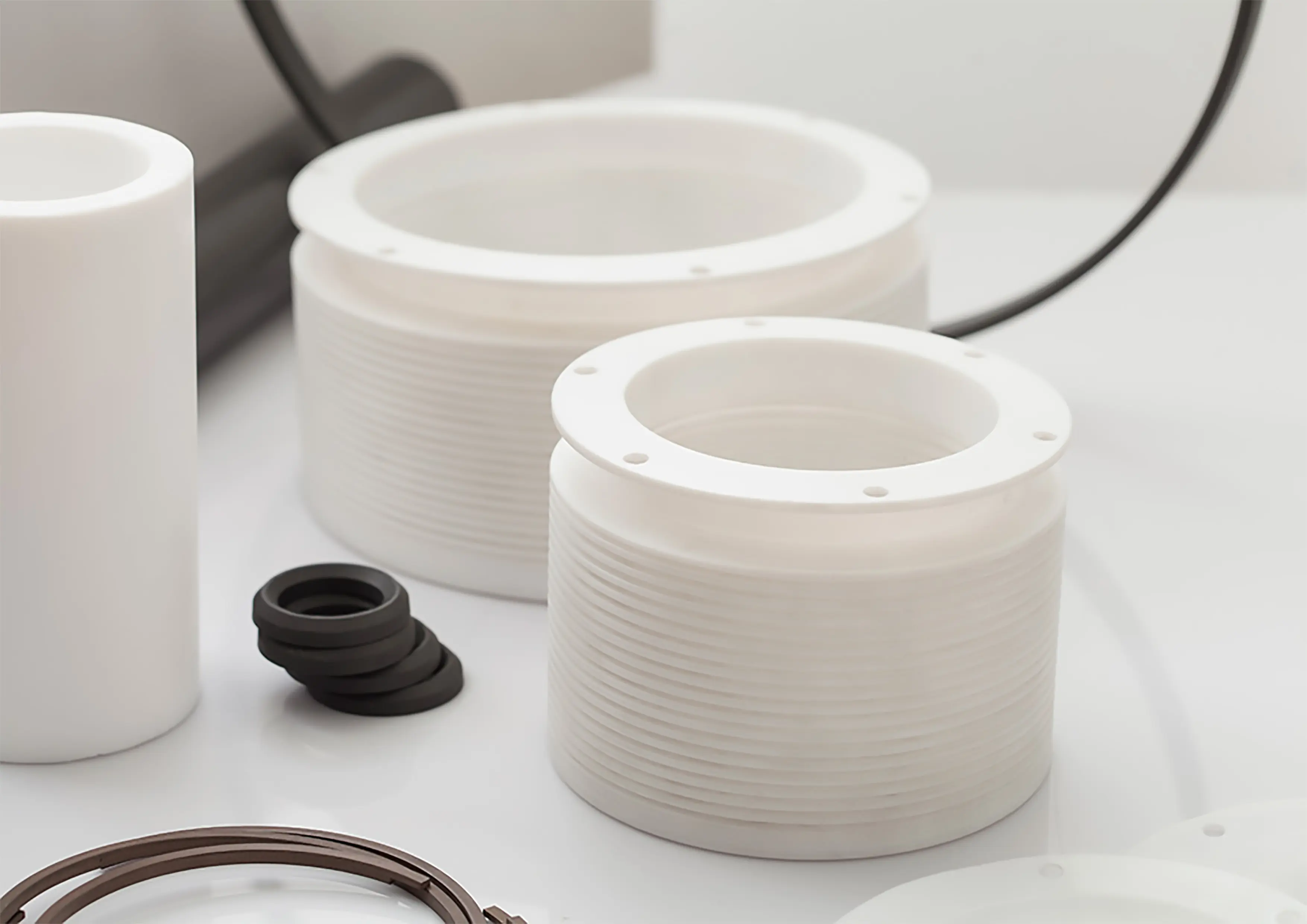
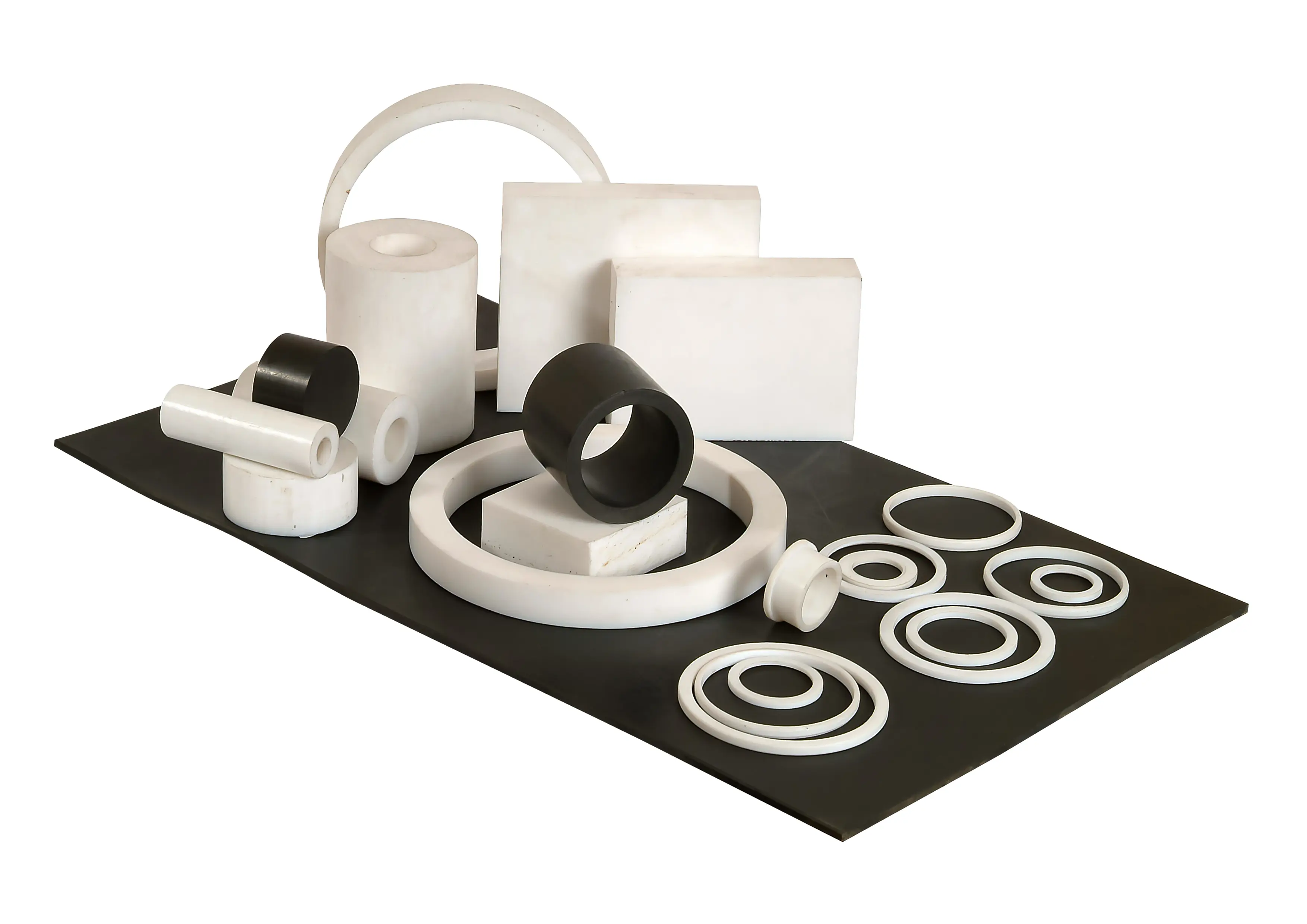
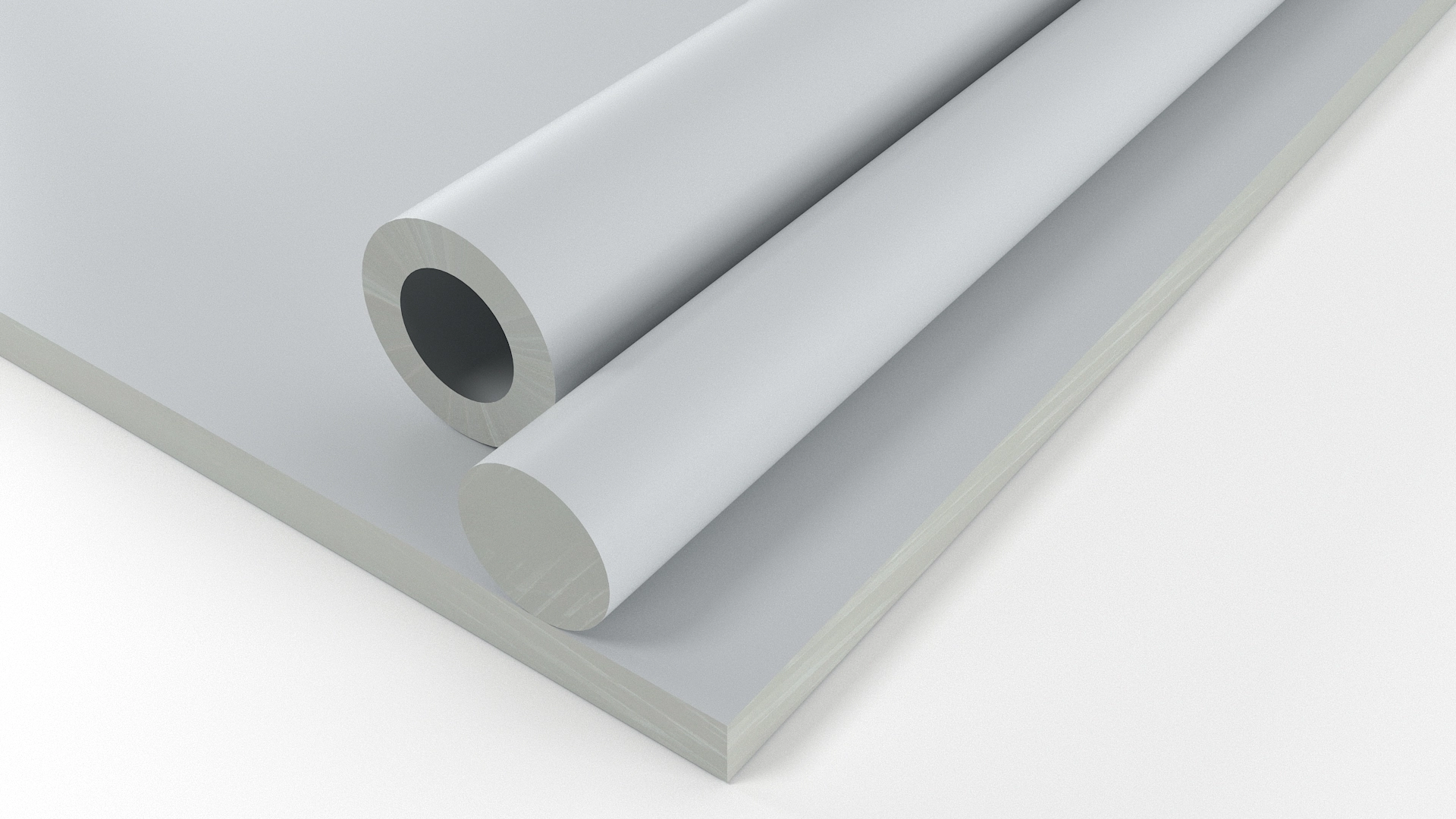
Depending on application requirements, PTFE is available in several modified
grades such as carbon-filled PTFE, glass fiber-reinforced PTFE, bronze-filled
PTFE, graphite-filled PTFE and MoS₂ (molybdenum disulfide) modified PTFE. These
additives improve properties such as wear resistance, load-bearing capacity,
dimensional stability and sliding performance.
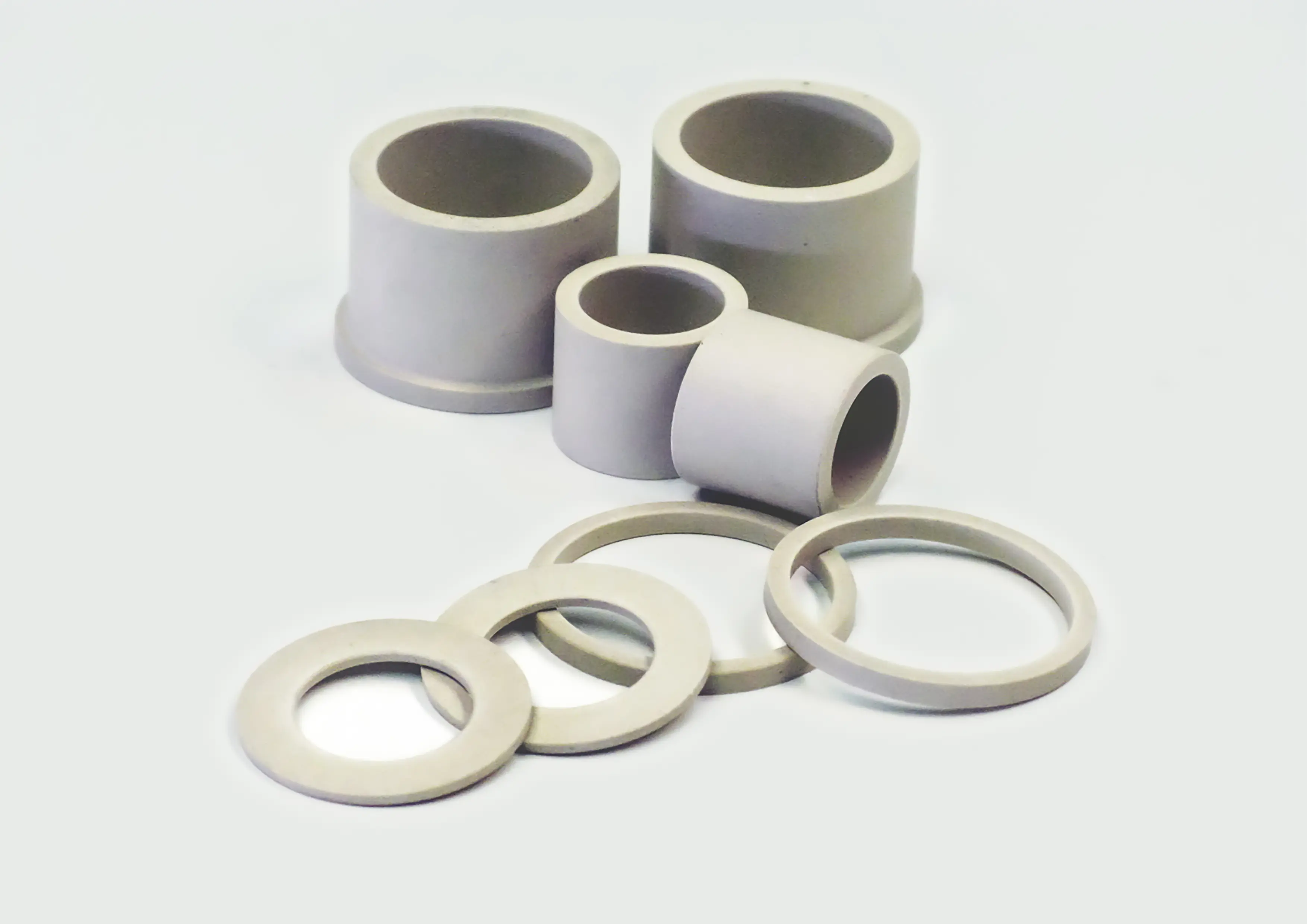
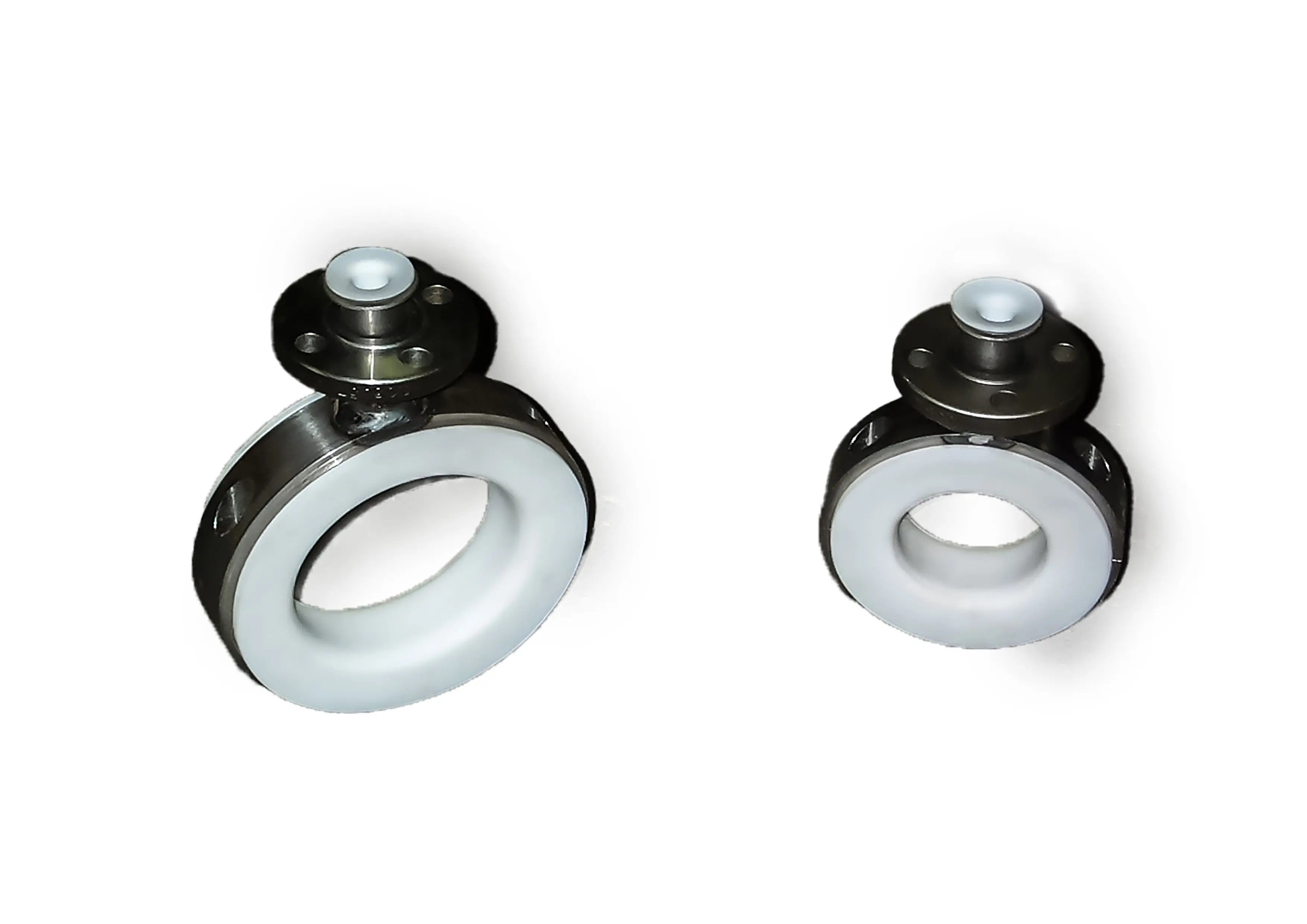
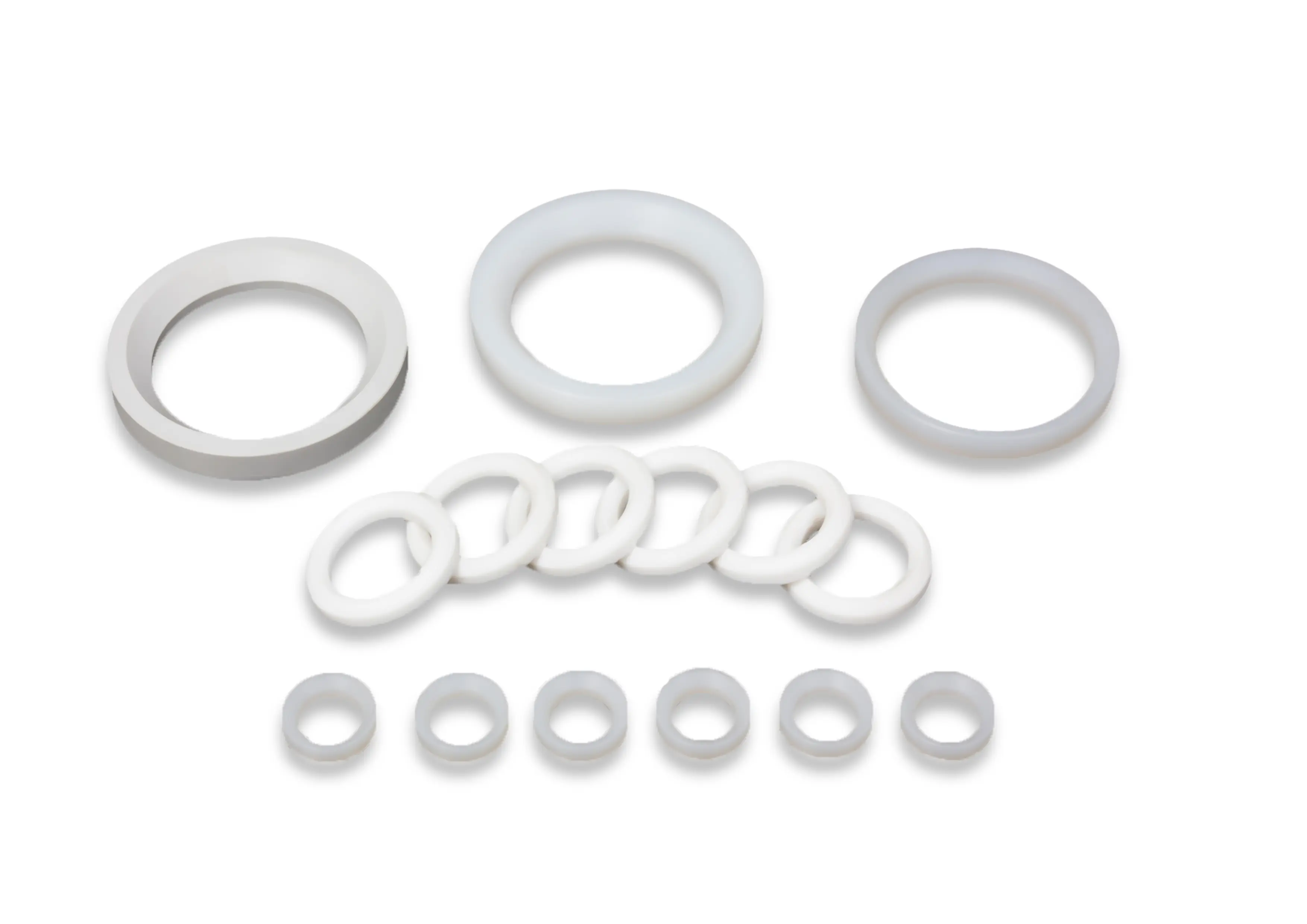
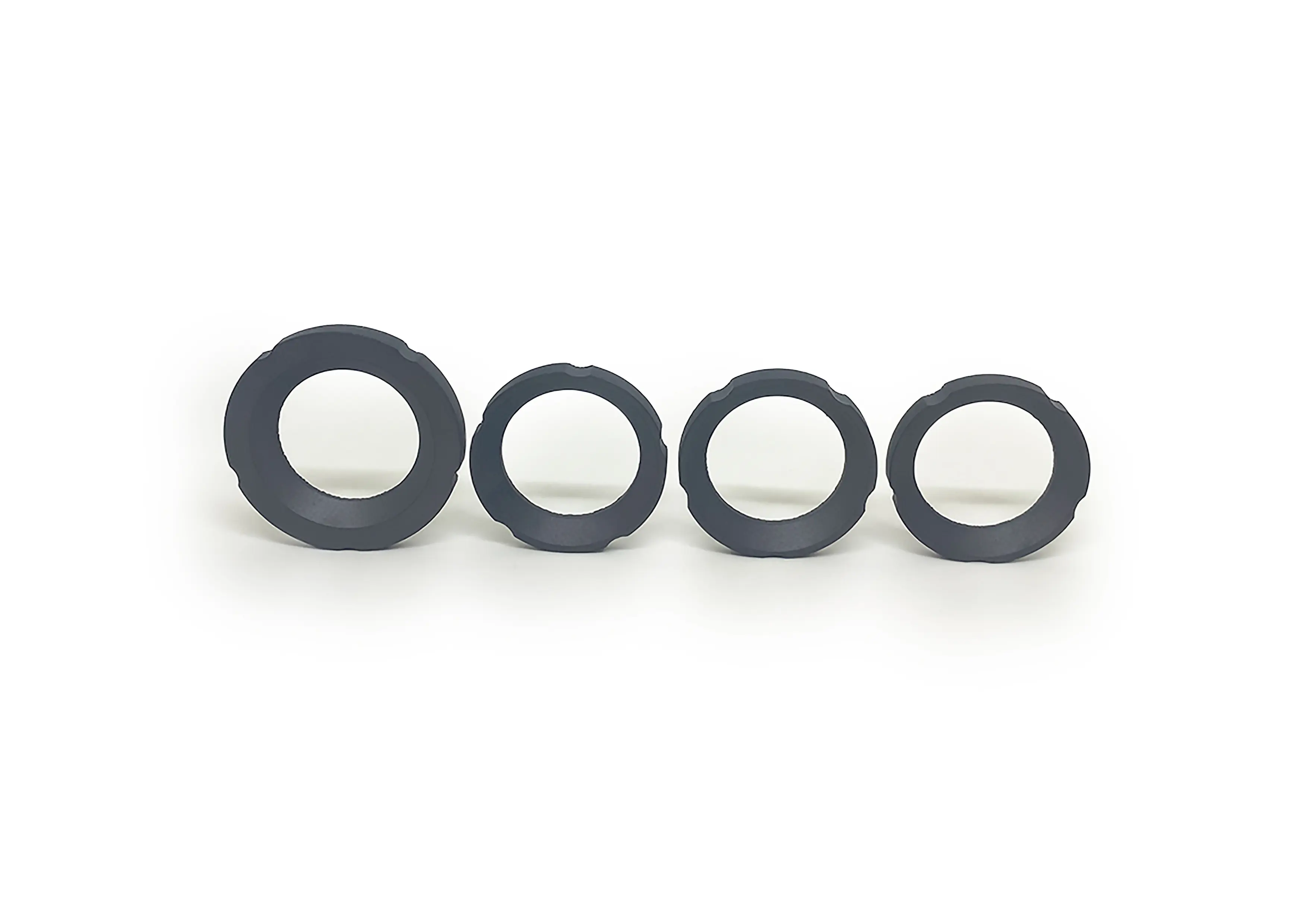
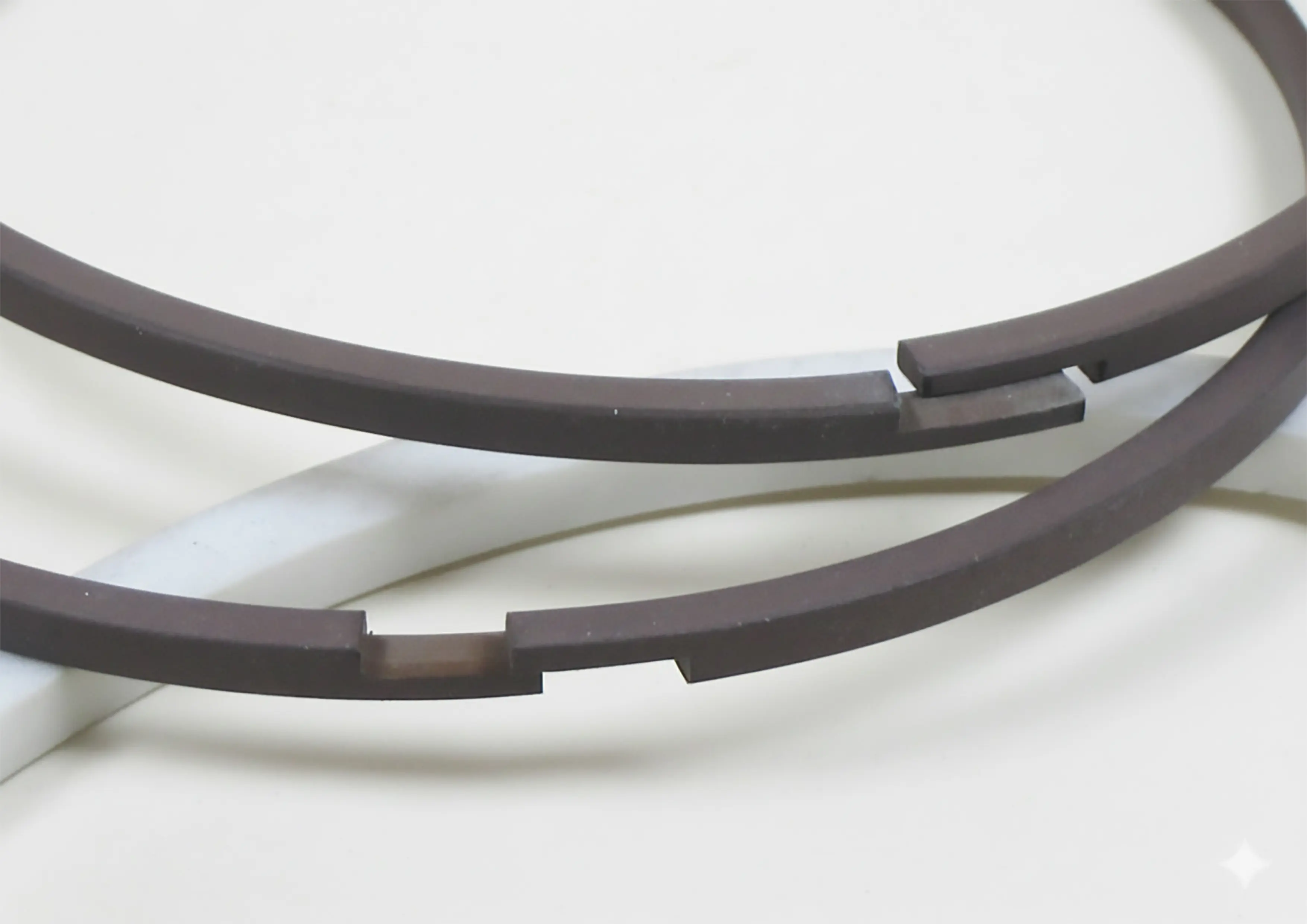
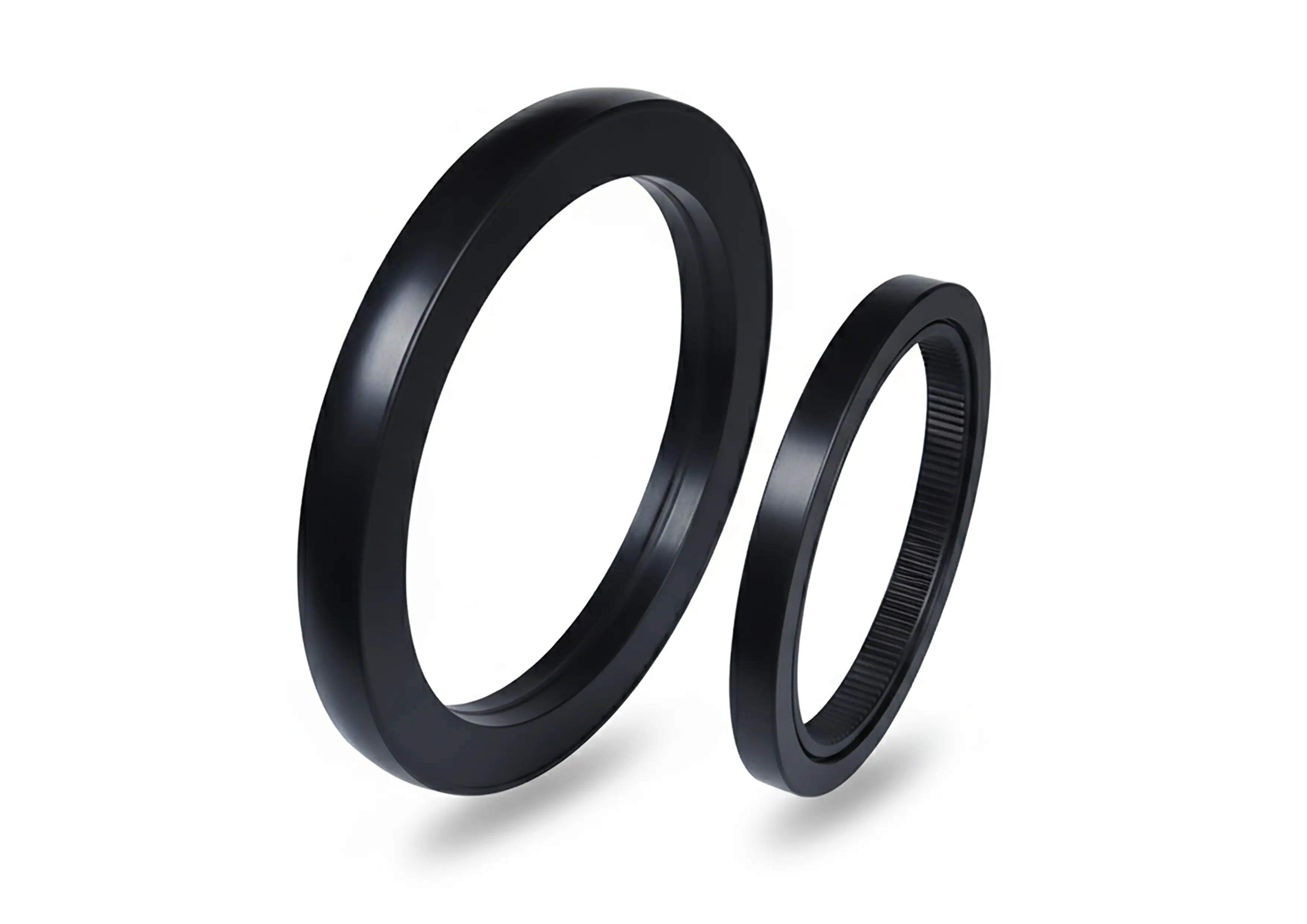
As a result, modified PTFE materials provide reliable and long-lasting solutions
in engineering applications such as bearings, bushings, slide elements and
sealing components.